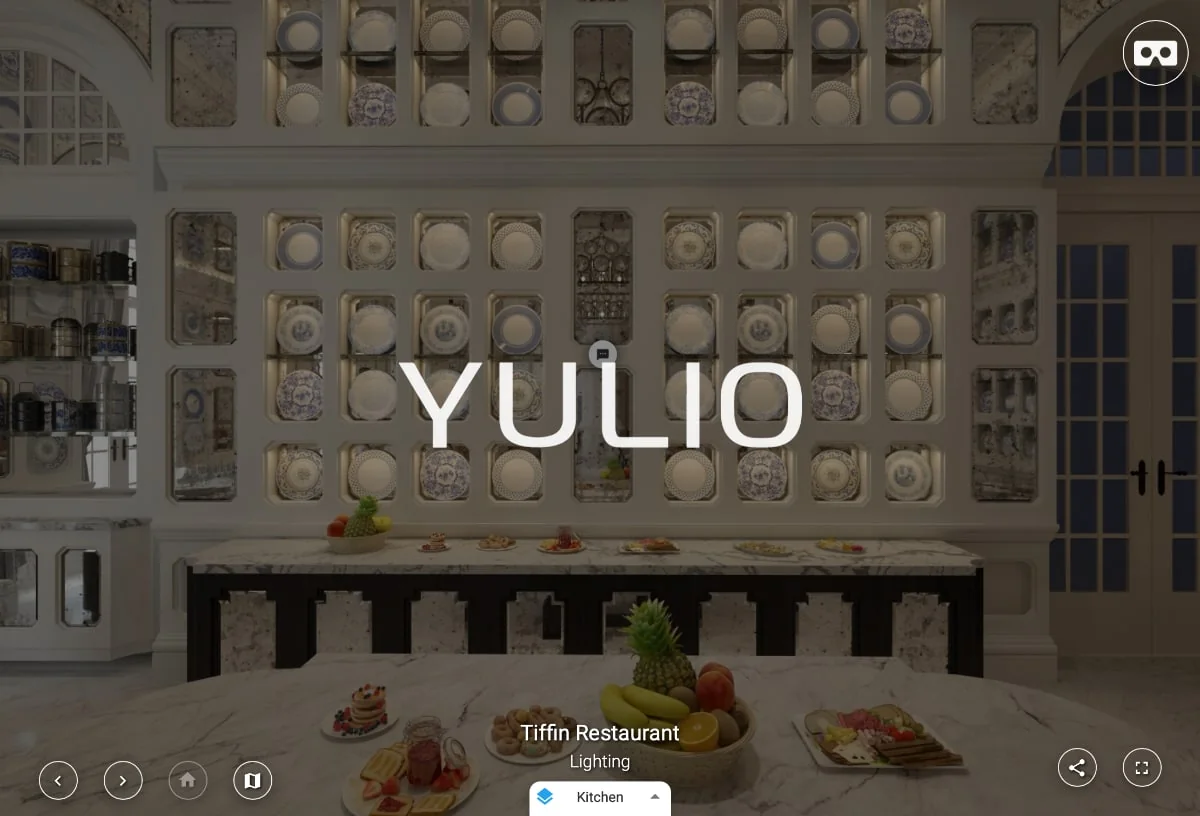
Project overview
The software behind the company now known as Yulio began as a personal project to learn and explore the emerging VR space. It grew from lessons learned building a Facebook game around a custom cube-map viewer, which let a player navigate a puzzle. I extended the concept to stereoscopic cube-map viewing.
Once it was proven, we looked for applications. A partnership with a company already serving the architecture and design domain, with detailed sketches and AutoCAD drawings as an online service, was the ideal fit. In 2016, Yulio was born.
Early days: finding the business case
Yulio started as a technical exploration of what newly released Google Cardboard headsets could do. We quickly saw the value and wow factor of viewing existing cube-map scenes in immersive VR. But as a strategic design and development consultancy, we did not want to build another travel experience app. We wanted real business return from the technology.
That meant finding readily available content that would benefit from immersion. After conversations with friends, colleagues, and clients, the Architecture and Design community stood out: an abundance of highly skilled CAD creators, a regular cadence of projects, and a persistent difficulty communicating a final design through 2D diagrams and artistic sketches. Yulio was a natural fit, and we moved quickly to build one of the first VR applications for business.

Navigating without buttons
Early VR brought simple, affordable viewers like Google Cardboard, but very few applications, and little interaction beyond watching VR video or single-point renders. The experience was largely look around but do not touch. To be interactive, and to work as headsets evolved, we had to break new ground in navigation.
After user testing and prototype evaluation, we crafted a gaze-based method similar to what is common on Meta and Apple platforms today. The navigation element sits at the center of the view, and holding position triggers a visible countdown before the action. To keep navigation points from distracting, they change size on focus and fade as they move away from the focal center. The result was an interface that technical and non-technical users could operate easily.

Borrowing from gaming engines
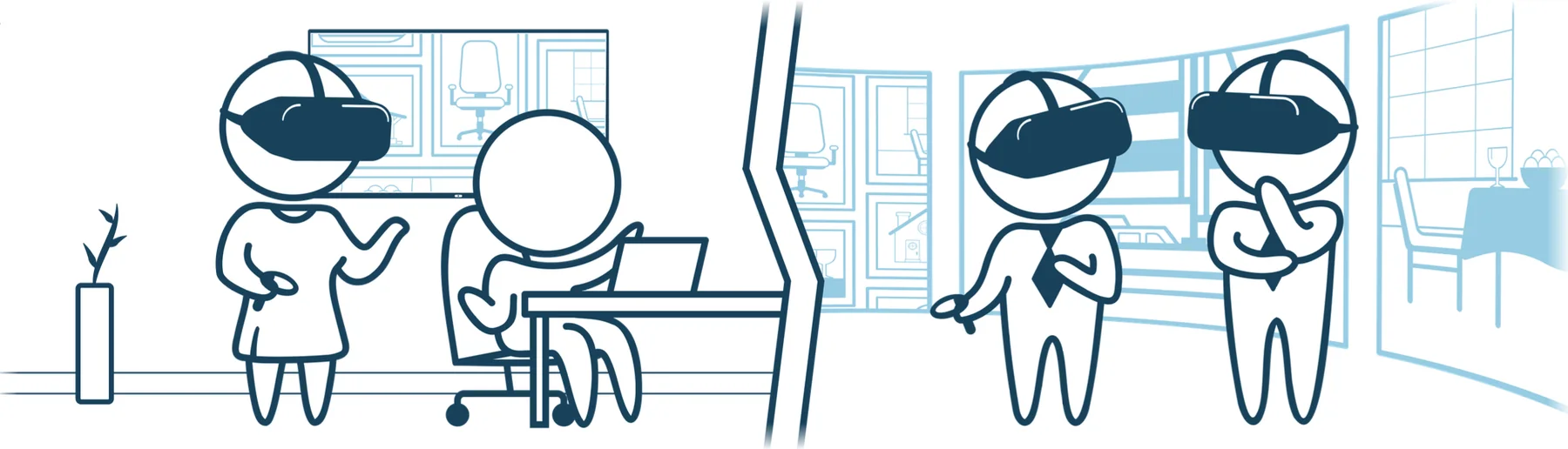
When building new systems, look to other fields for components that can be used in new ways. Scene authors and sales teams needed to see what their viewers were experiencing, so that a creator could act as a guide and discuss what each person was looking at in a sales presentation or classroom.
Game engines are purpose-built to share the real-time position and direction of players. Using the same logic, we created a session connection between one or more VR viewers and a 3D moderator view that shows where each viewer is, and what they are focused on.
Cut the straps
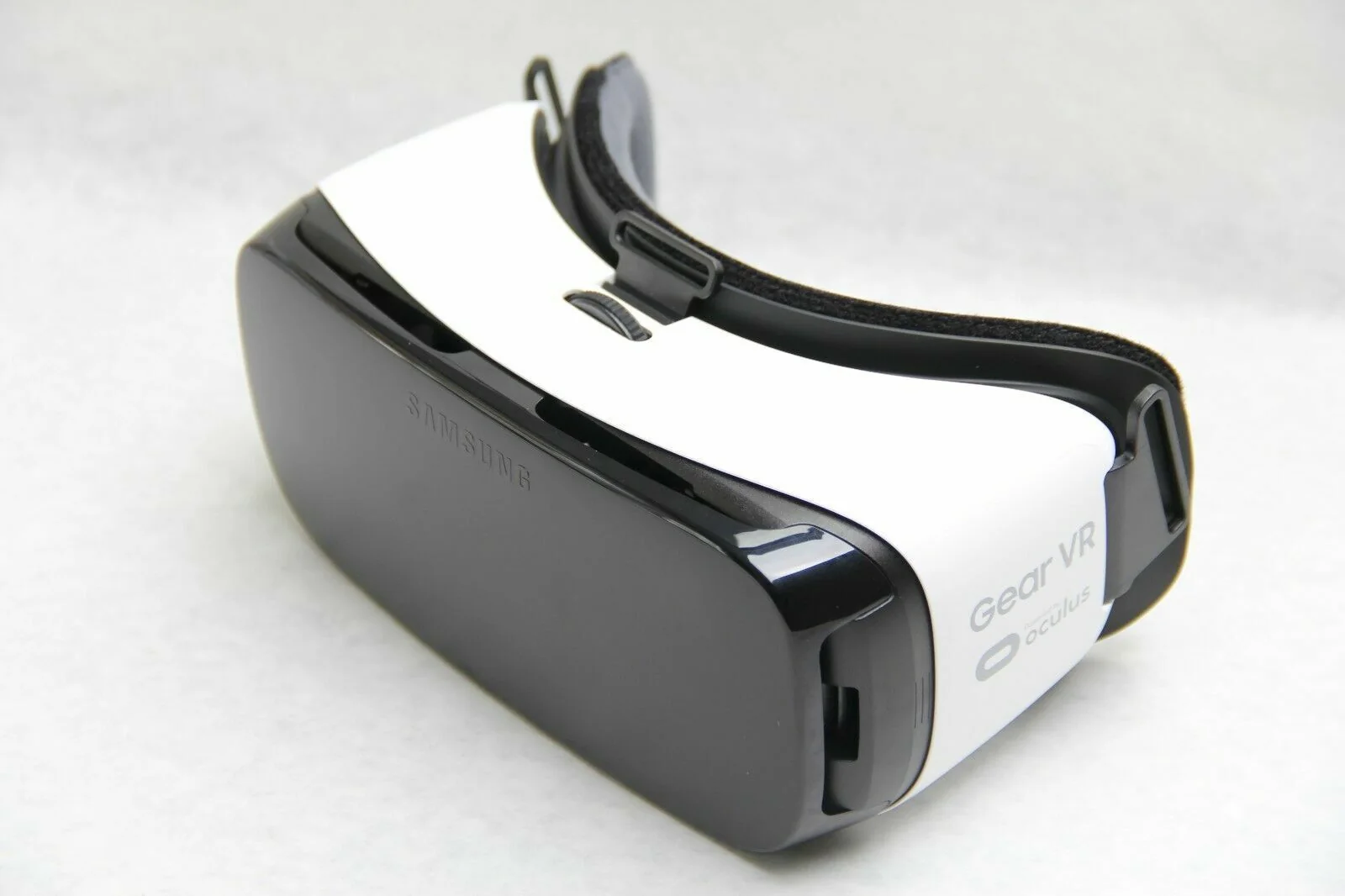
Early on we found a key adoption barrier: in sales meetings, people were wary of strapping on a headset and losing connection with the room. Our solution was simple. We cut the straps. Without them, people could pick up the headset, experience the scene quickly, and set it down to continue the conversation. It had an immediate impact on adoption.
Building a visual editor
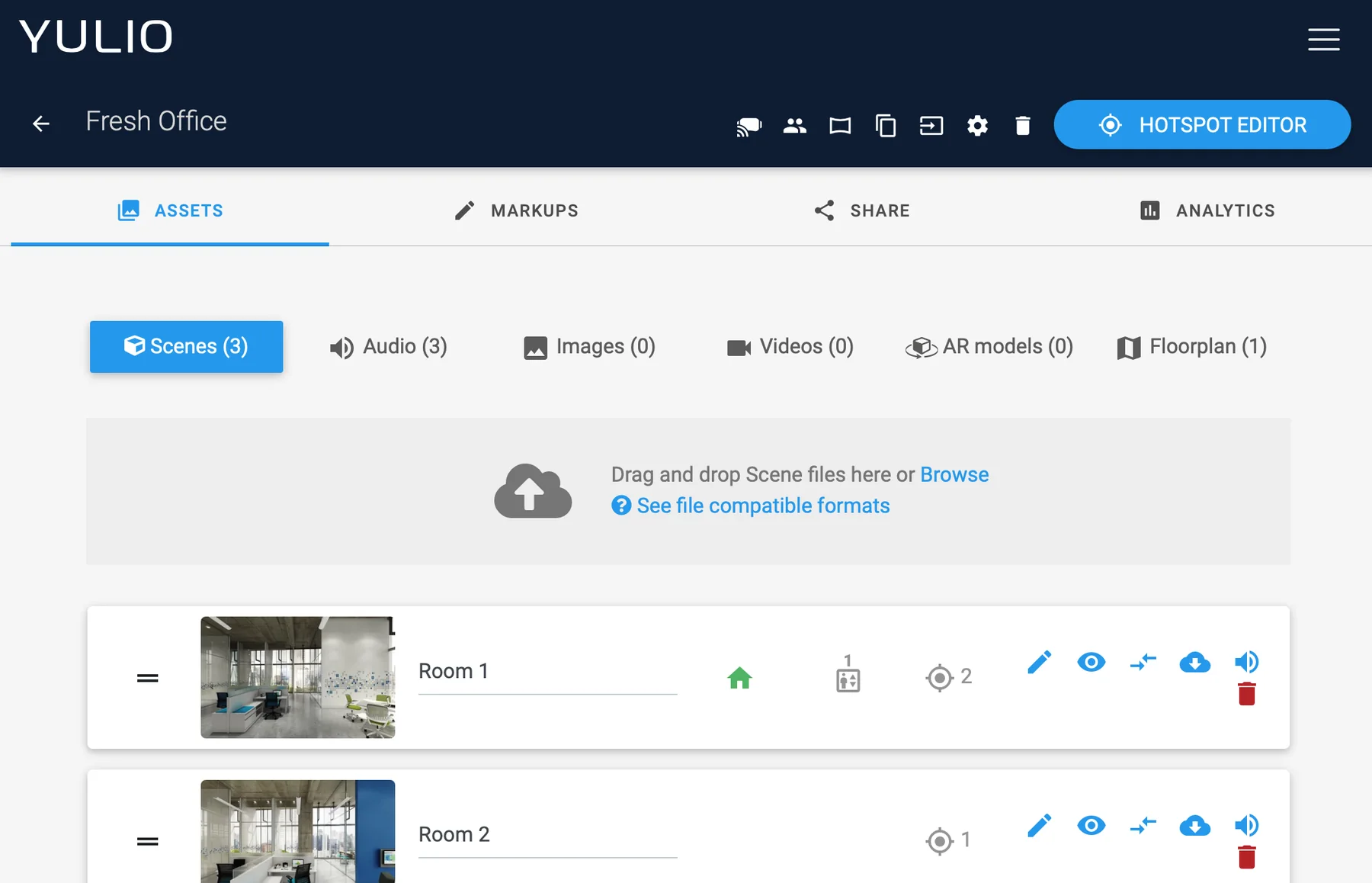
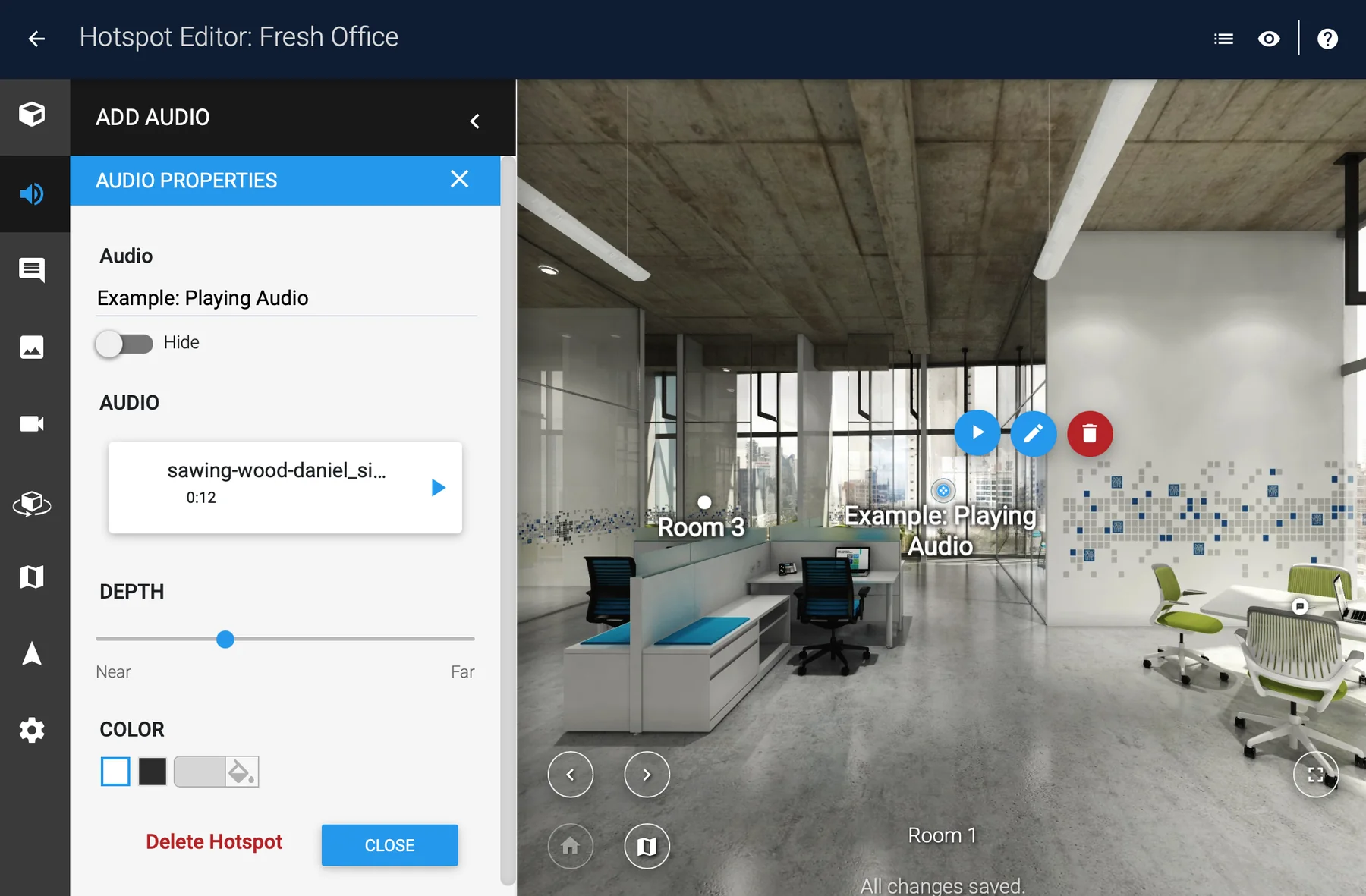
To build a VR and 3D tour editor, we used the power of the viewer itself so that authors could judge how navigation would feel. The interface lets users move linearly or non-linearly through scenes, then drag hotspots and interactions onto the scene in a WYSIWYG editor.
Each interaction can be set at a different depth in the scene to preserve the feeling of three dimensions, and in VR those elements are displayed with the appropriate left-eye and right-eye offsets.
Closing the loop with analytics
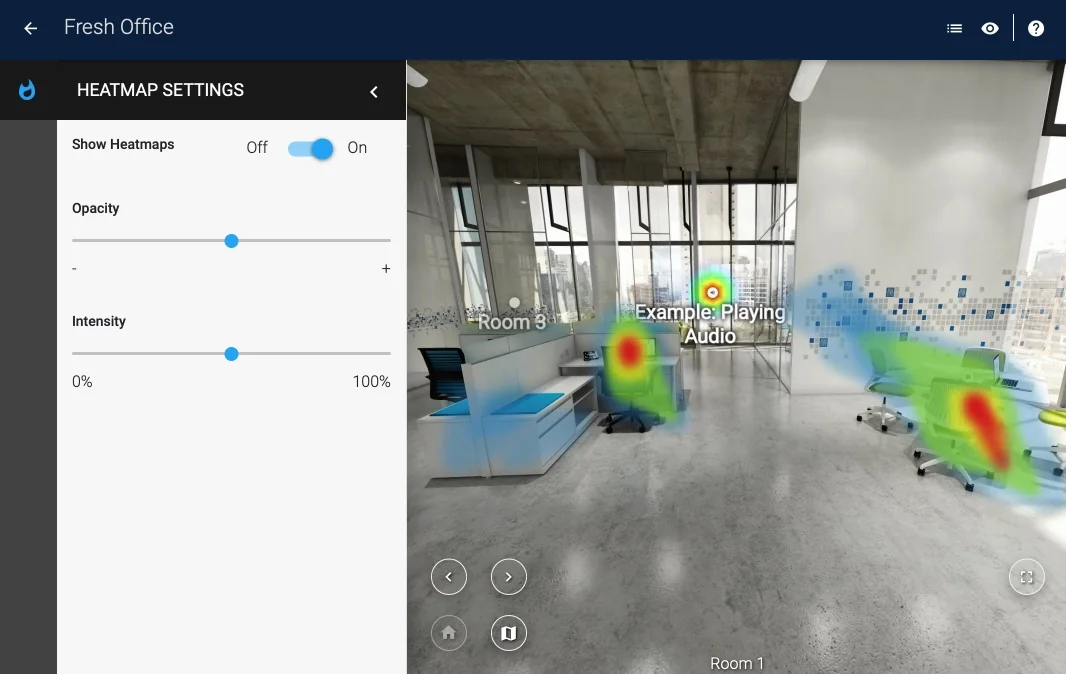
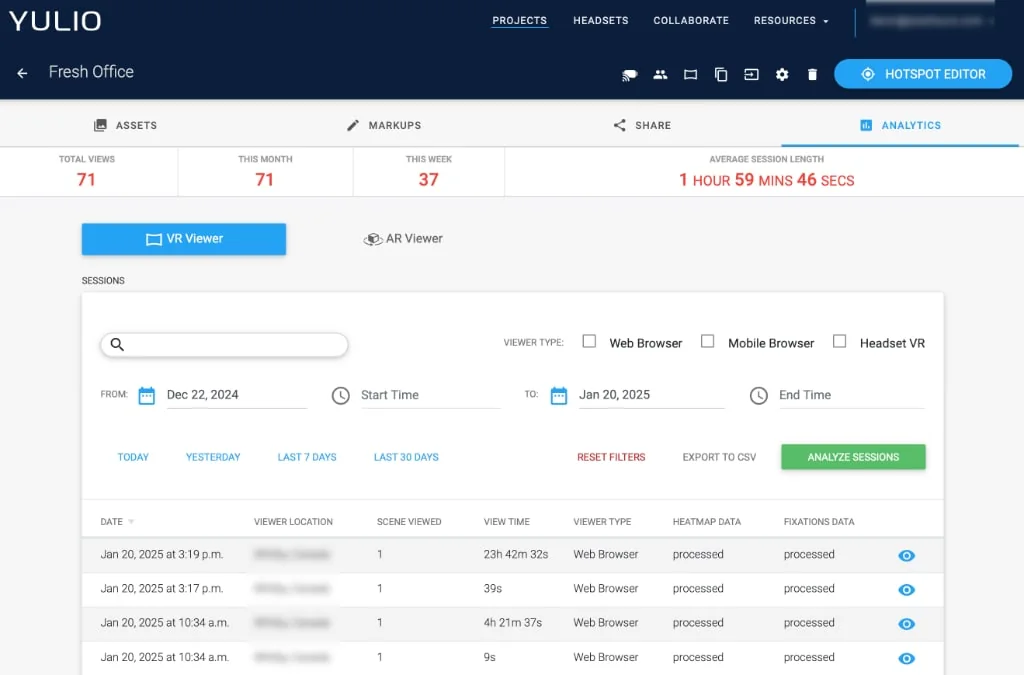
We tracked traditional analytics such as where viewers come from, their technology, and which scenes they use, and also how they interact with the content of a scene. Heat tracking inside scenes shows designers where viewers spend their visual attention, revealing points of interest and points of confusion. Those targets can be annotated or refined, and successful areas replicated in future designs.
Try the live viewer
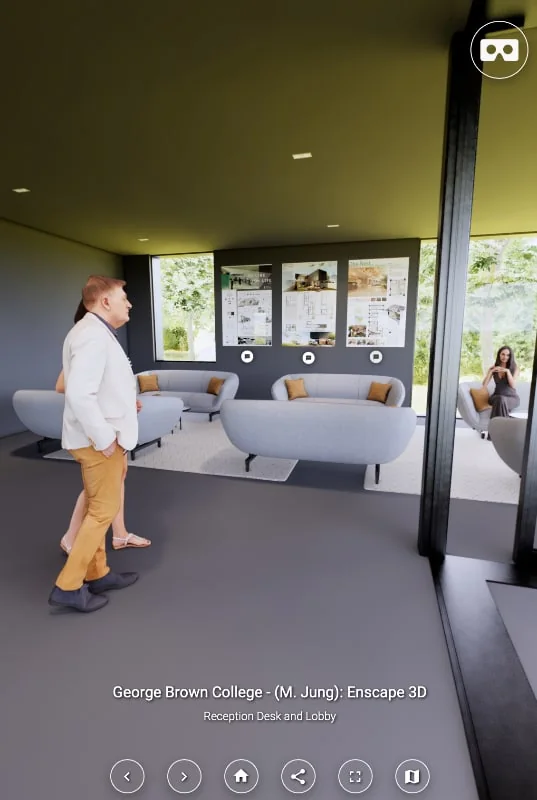
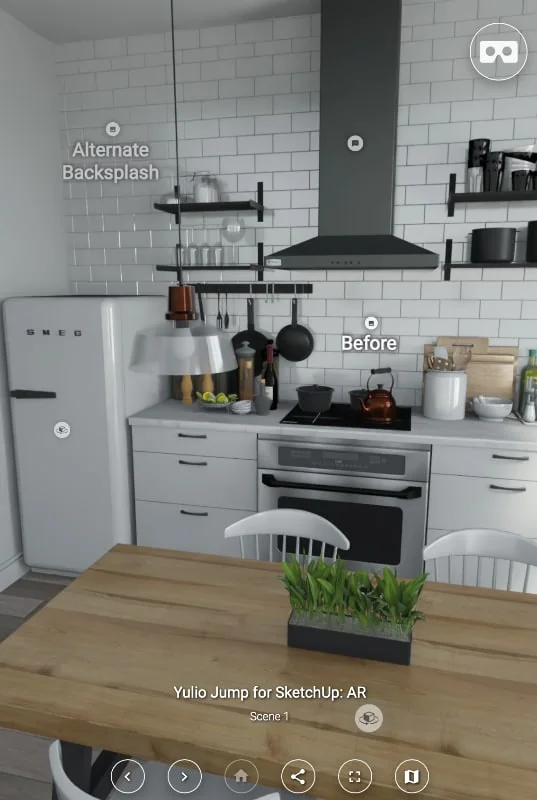
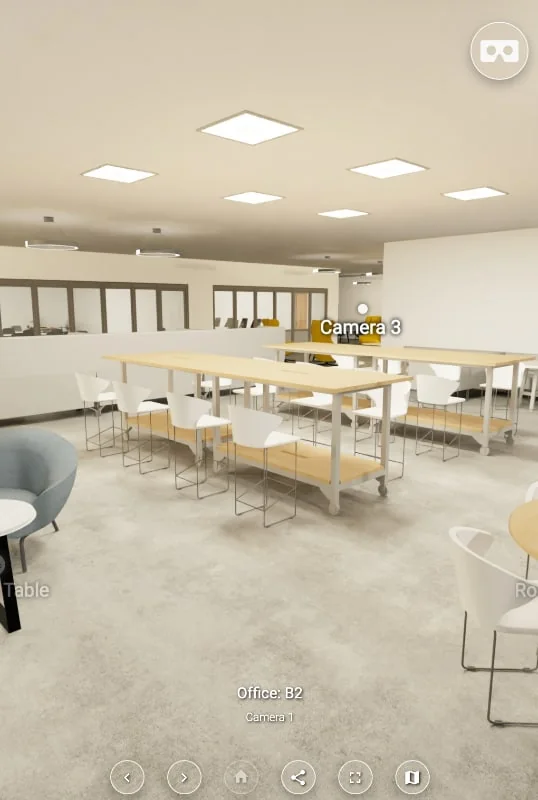
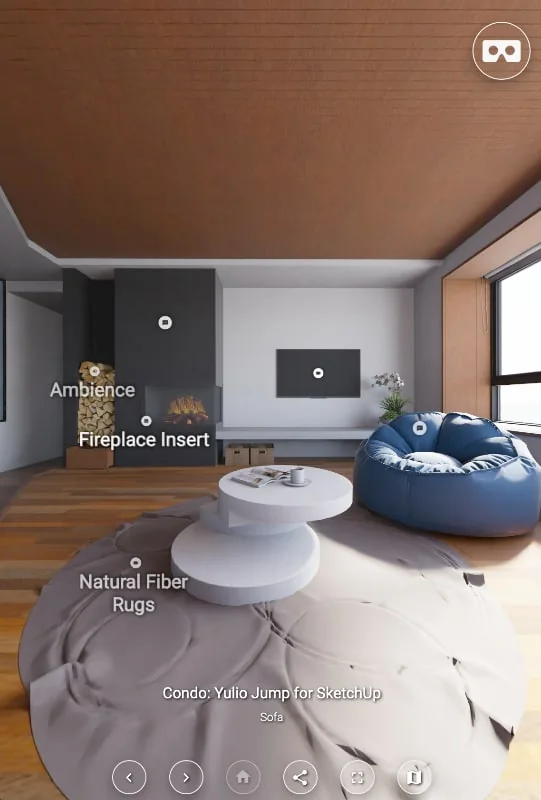
Yulio scenes run in a browser, on a phone, or in a headset. The embedded viewer below is a live example.
Impact and results
Yulio continues to evolve its place in the architecture and design project pipeline, adding features such as dollhouse navigation, one-click exports from popular CAD tools, and embedded VR product inspection. It has become a key tool for communicating designs to clients, shortening sales and design approval cycles one VR experience at a time.
The carefully crafted interaction model has supported each new generation of headset, from Google Cardboard and Samsung Gear VR to today's Meta Quest.
Leadership perspective
- Cross-pollinate verticals. Breadth of experience across markets is a source of innovation. Repurposing technology from one vertical to another can have outsized impact.
- Test with real users. For diverse audiences, user testing is the only dependable way to explore navigation techniques.
- Invest in polish. Tuning interfaces is critical to lasting appeal.
- Favor simple solutions. Small ideas, like cutting the straps, can have the biggest impact.