Project overview
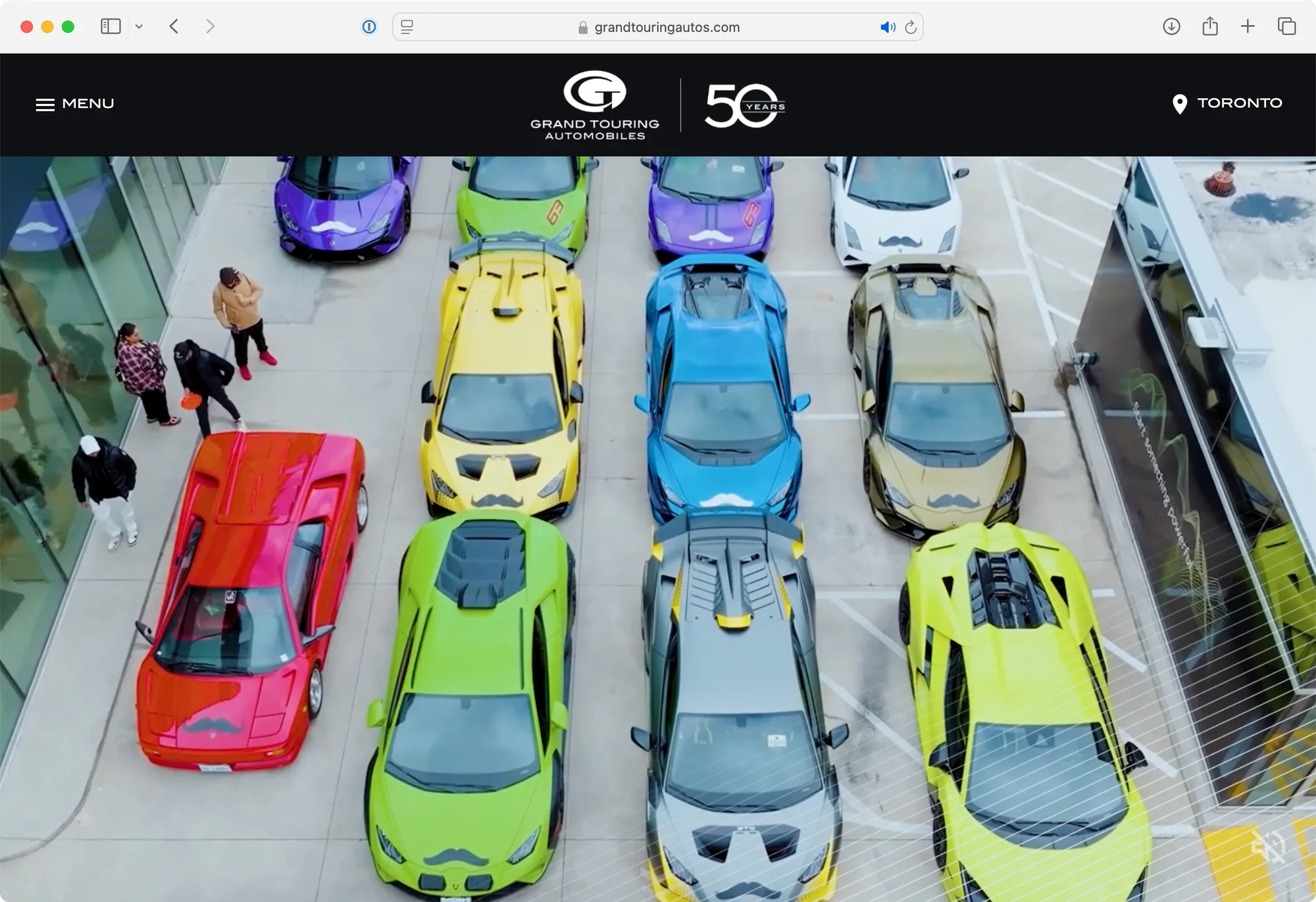
Grand Touring Automobiles (GTA) is the premier exotic and luxury car dealership in the Greater Toronto Area. Its existing website was dated and ran on a common automotive listing platform, which made it difficult to stand apart from competitors. GTA wanted a new web experience for its online customers, and it wanted control of its own listings so that updates no longer depended on a third party.
My role
I led the project directly, from the RFP response and bid process through ideation and design, development, deployment, and post-launch support. I brought in two designers, two developers, and QA resources, and worked closely with GTA's internal staff and third-party vendors to understand their needs and integrate with their processes.
My role covered both the business and client relationship and the design and development direction, ensuring we solved the client's needs within budget and schedule.
A bespoke platform, built on a key discovery
After a detailed analysis of client needs, business requirements, and the landscape of off-the-shelf products, we decided to design and build a bespoke website and listing display platform on the Django framework.
We began with all available user research and interviews with the internal team to fill gaps in the business requirements. Data accessibility quickly emerged as the central issue. The automotive vertical generally does not employ local development teams, and relies on SaaS companies to store and distribute core vehicle inventory. Those providers do not give dealerships such as GTA direct access to their data, only to certified third-party service providers.
To resolve this, we became a certified third-party provider and built the new GTA website as a generic SaaS platform. The pivot was unexpected, but this kind of technical knowledge gap is common as the pace of technology outstrips the sophistication of internal teams. Recognizing these gaps early is key to keeping a project like this on track.
Architecture
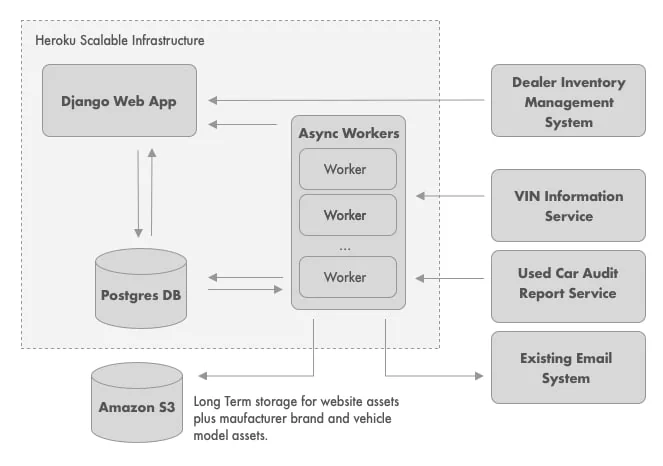
With the pivot resolved, we architected a system that pulls its core data from the centralized Dealer Management System (DMS) and cannot push changes back. Because GTA needed to make quick changes at the website level without waiting on the DMS, the platform needed its own editing layer.
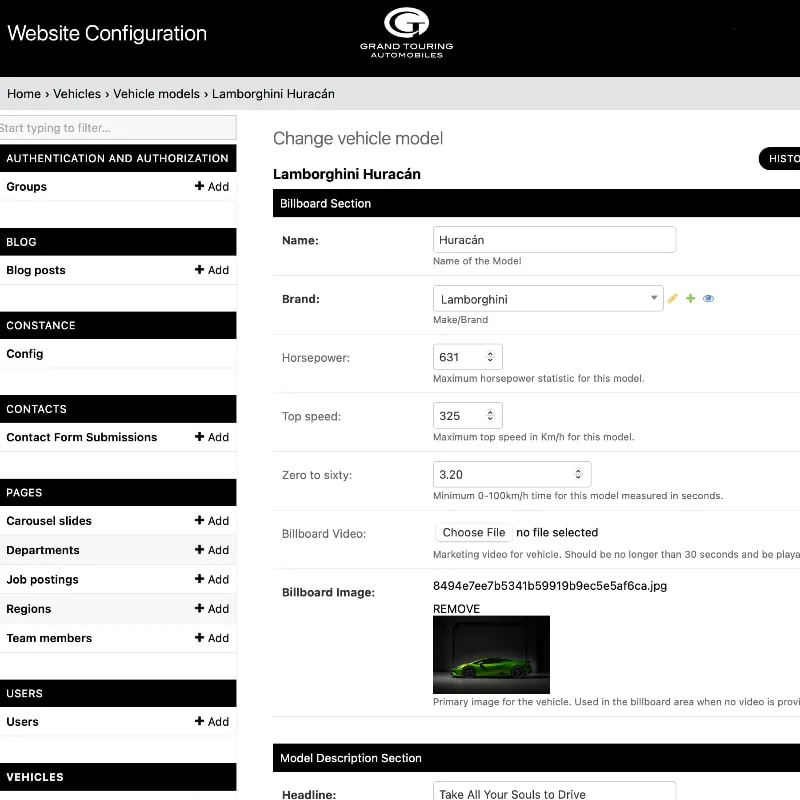
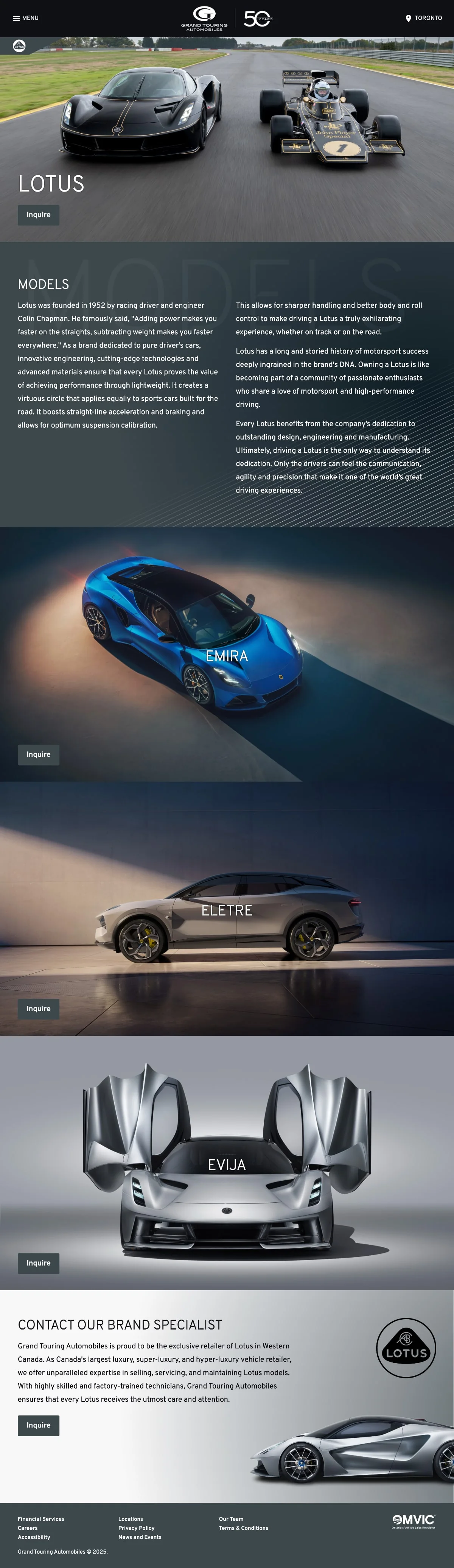
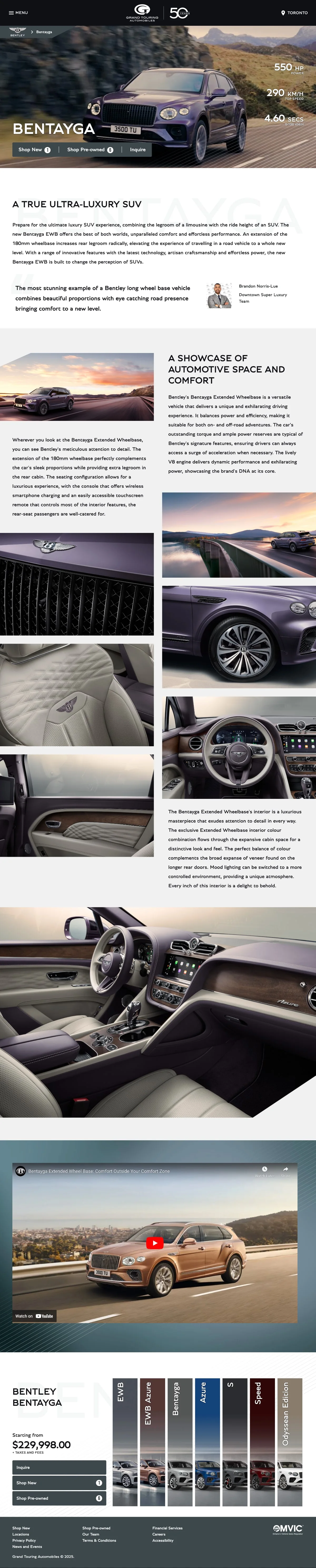
In addition, the DMS holds vehicle inventory but no information about new vehicle models and brands. As a key differentiator for the GTA brand, we chose to provide bespoke model information pages. The need to edit both vehicle information and model pages at the web level led us to design a custom, user-friendly interface for the sales and marketing teams.
Designed to be unique
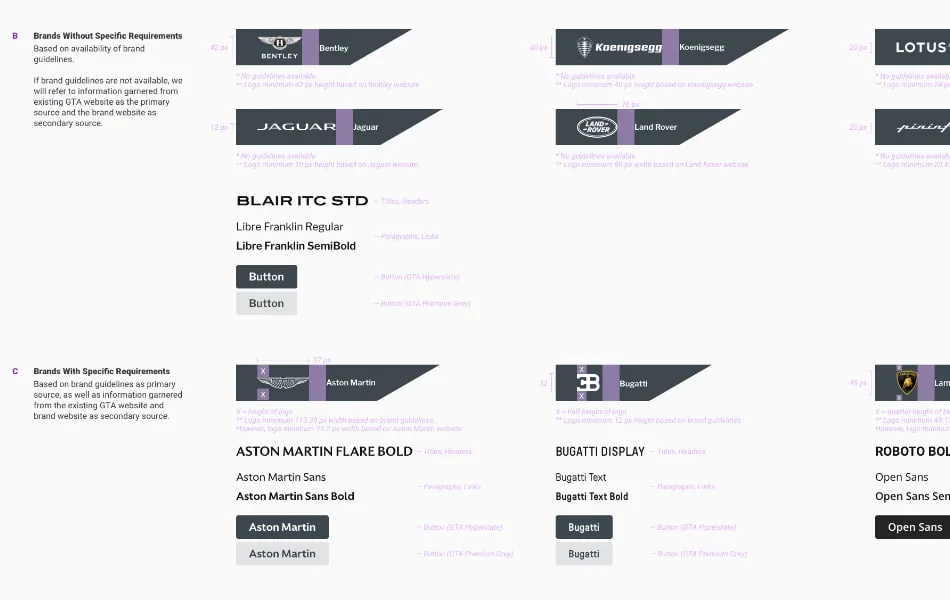
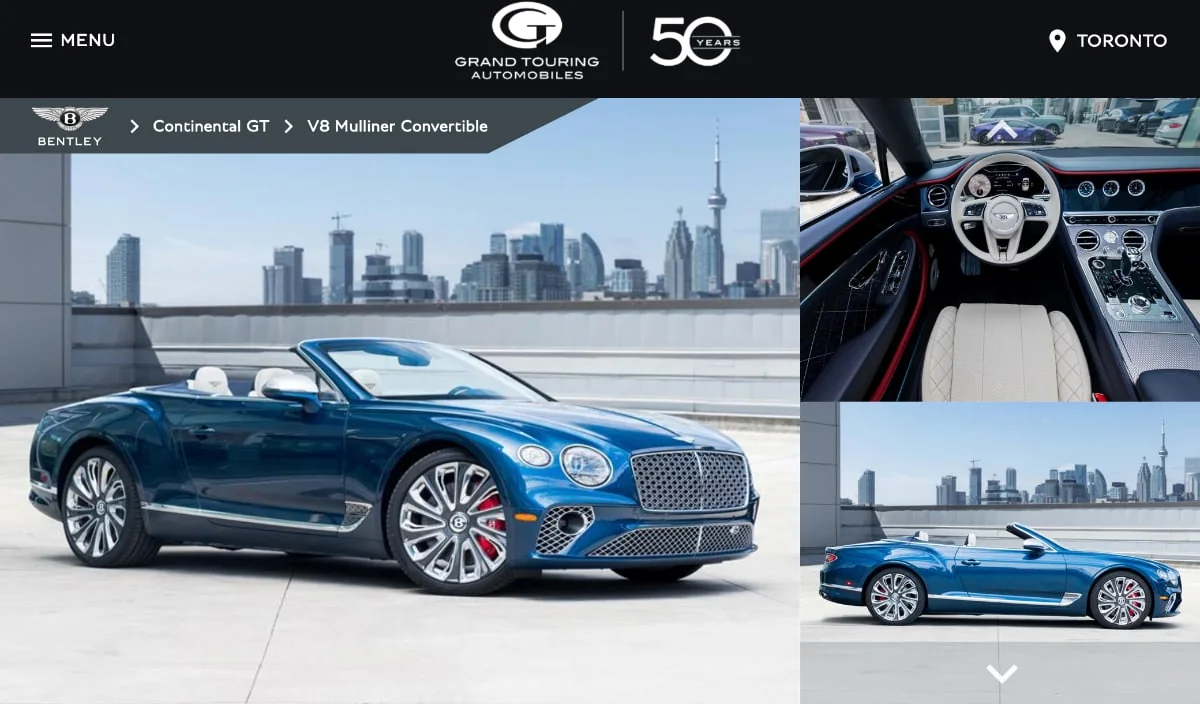
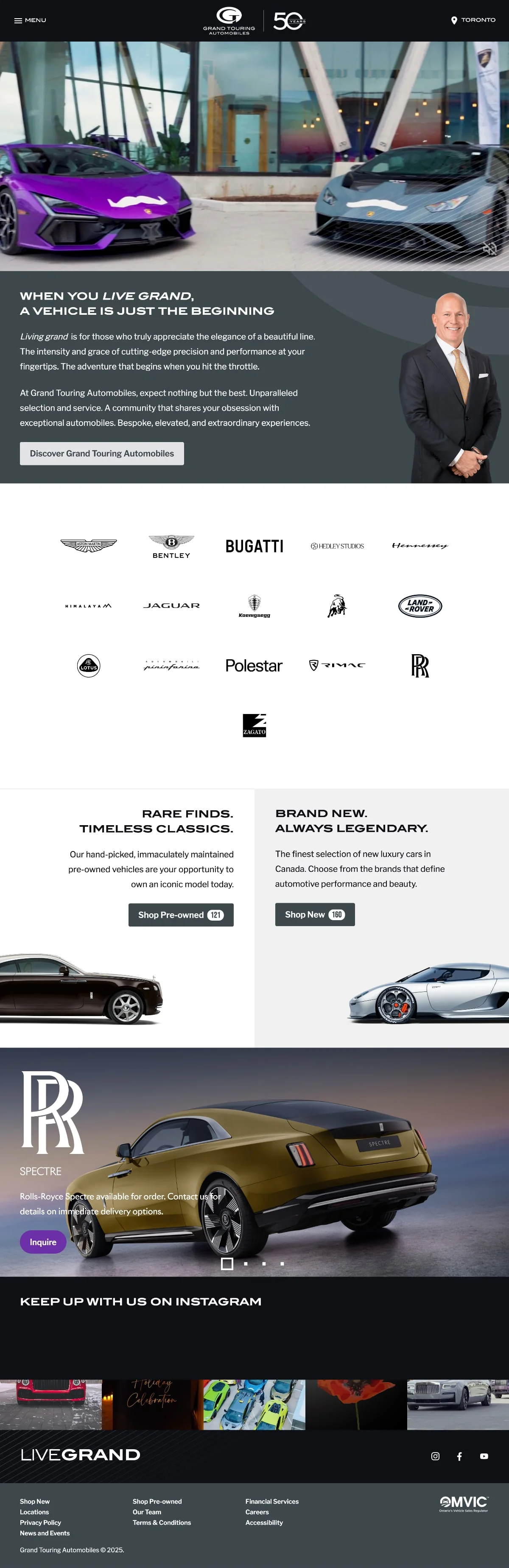
Our concept was fresh and distinctive. The site needed to showcase the unique styling of each brand GTA sells while maintaining a crafted luxury feel. We analyzed competitors and reviewed each manufacturer's own website. Common across them were deep palettes built around a single brand colour combined with black tones.
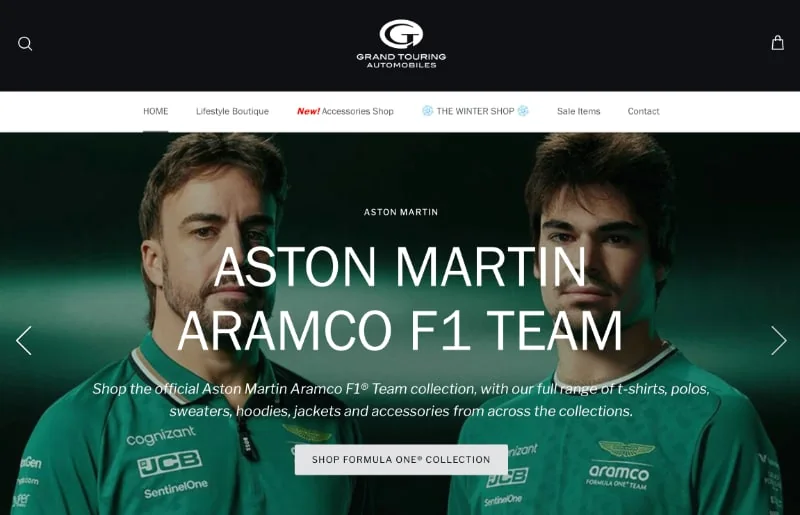
We brought similar thinking to GTA with a black-heavy greyscale base, which allows brand colours such as Rolls-Royce purple and Aston Martin green to stand out. To reinforce the premium positioning, we invested additional time in making reveals, transitions, and interactions smooth and appropriately weighted, and we reviewed our designs regularly against the branding standards of the various manufacturers.
This focus led us to work in visually complete designs rather than traditional low-fidelity wireframes, which let us balance visual weight before moving to development.
Site management
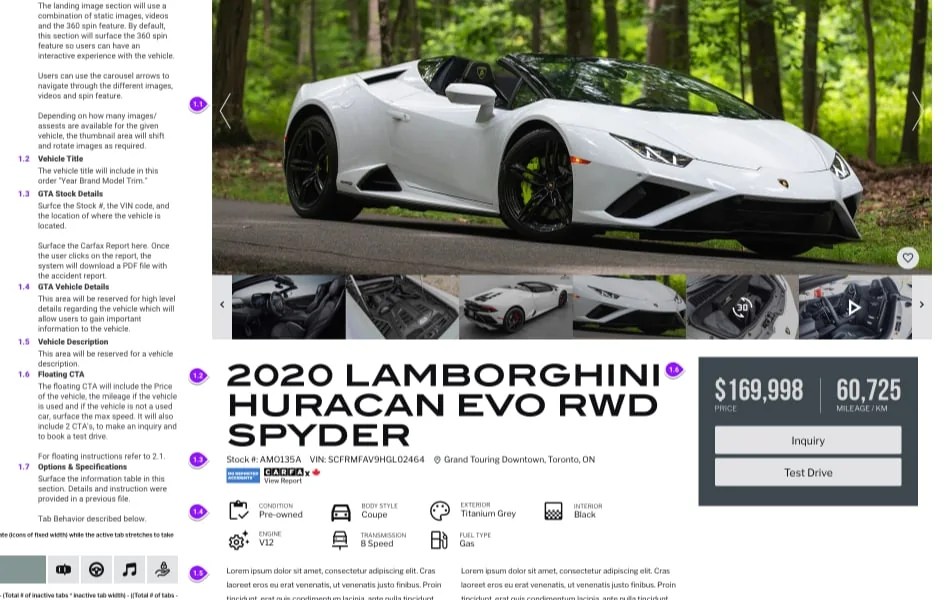
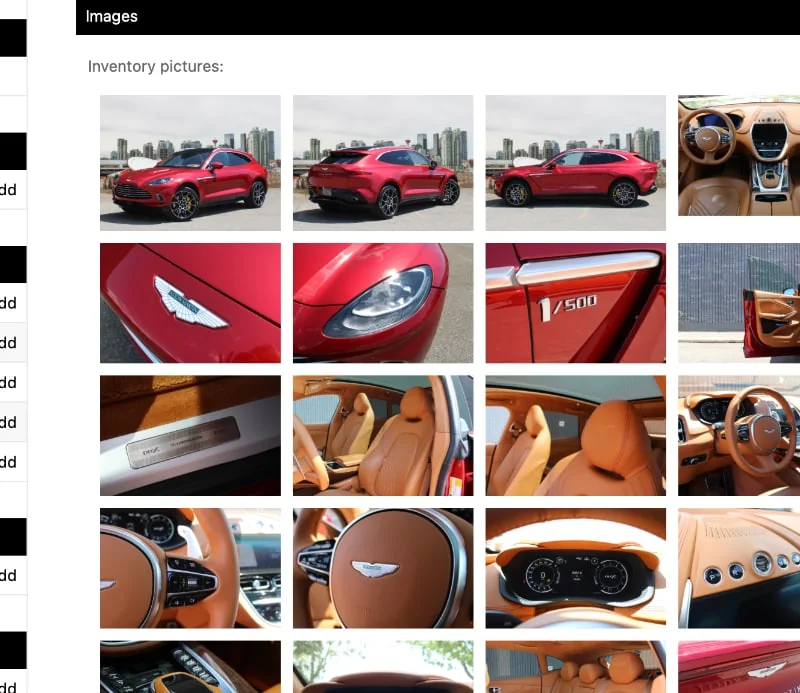
The custom site management design uses the Django admin framework as a base, on which we added a robust brand, model, and dealership management system. It allows GTA to add new locations, brands, and models while respecting each manufacturer's brand guidelines, all through a user-friendly back end.
Through this system, the marketing team can manage all online vehicle listings and make changes in real time rather than waiting on inventory pushes from the DMS. We also provided tools to:
- Customize brand and vehicle pages for each manufacturer to match its visual requirements.
- Manage dealership physical locations.
- Create and manage inline promotional ad units.
- Manage contact email routing.
- Supplement listings with image-based spin visuals.
- Manage team member contact information.
- Manage job listings.
E-commerce portal
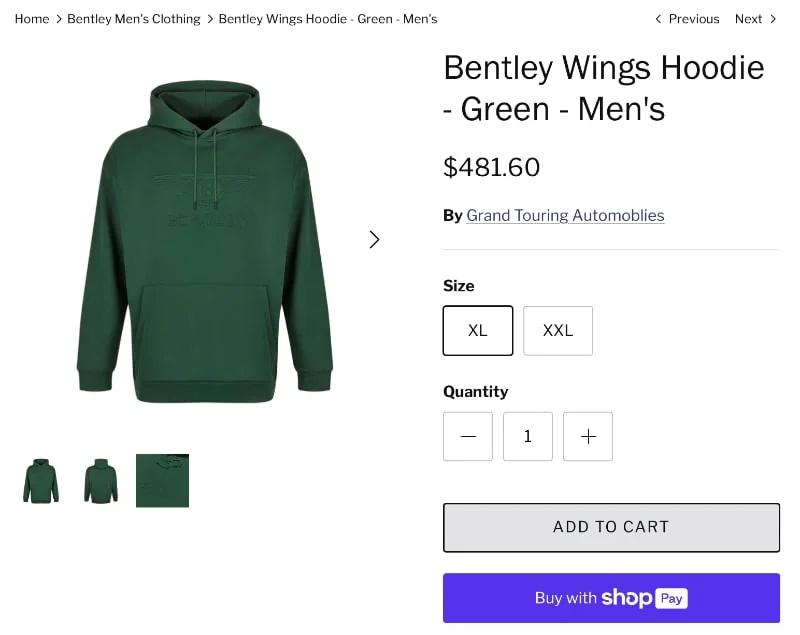
Alongside the primary website, we launched a Shopify-based portal for merchandise sales, with the goal of streamlining how GTA sells and ships merchandise. We began with interviews of the Parts department and everyone involved in merchandise fulfilment, and quickly found limitations similar to those on the vehicle side: merchandise inventory also lived in the centralized DMS, with restricted access for GTA.
We mapped the processes and considered the edge cases. A fully automated purchase and shipping system was a shared vision, but the number of special cases and overrides would have pushed its cost beyond its value. Because merchandise is a secondary part of the GTA business, we selected a simpler, more adaptable process. We kept Shopify for product display and order placement, and left final packaging, delivery, and inventory tracking manual, which met GTA's needs at a cost-effective price point.
The finished experience
Impact and results
The launched website had an immediate impact on hosting costs. Existing contracts with service vendors were cancelled in favour of the new cloud-hosted, internally controlled site.
Because the site is fully controllable through a custom back end, the marketing team can manage brands, models, and trim packages with minimal effort, each with a crafted feel. They also valued the ability to make quick adjustments to live inventory, including new contact email routing, price overrides, and fast wording changes to anything that slips through from the DMS. The customizable brand pages have been a hit internally and have passed all manufacturer guidelines for representation on the web.
The e-commerce site, after some initial issues that surfaced new special cases, was tailored to GTA's needs and has been key to expediting delivery of parts and merchandise purchased through the web portal.
The site has run seamlessly with 99.95% uptime and no internal issues since its Q1 2024 launch. When it was turned over to a long-term support vendor experienced in the automotive vertical, they commented on how well the system ran, needing nothing beyond standard dependency updates.
Leadership perspective
- Know who owns the data. The automotive vertical has evolved to give businesses only limited ownership of their data, which is generally centralized in industry-specific hosted platforms. This has likely resulted from limited technical teams inside the sector.
- Expect gaps in source data. There is no accessible, authoritative repository of vehicle model data. Tools such as VIN expanders try to bridge the gap, but vehicle specifications do not follow standards, so even their data is not consistently represented.
- Automate only what pays back. Complex, fully automated systems fit real-world scenarios like a round peg in a square hole. It is often better to reduce automation so that processes match client needs.